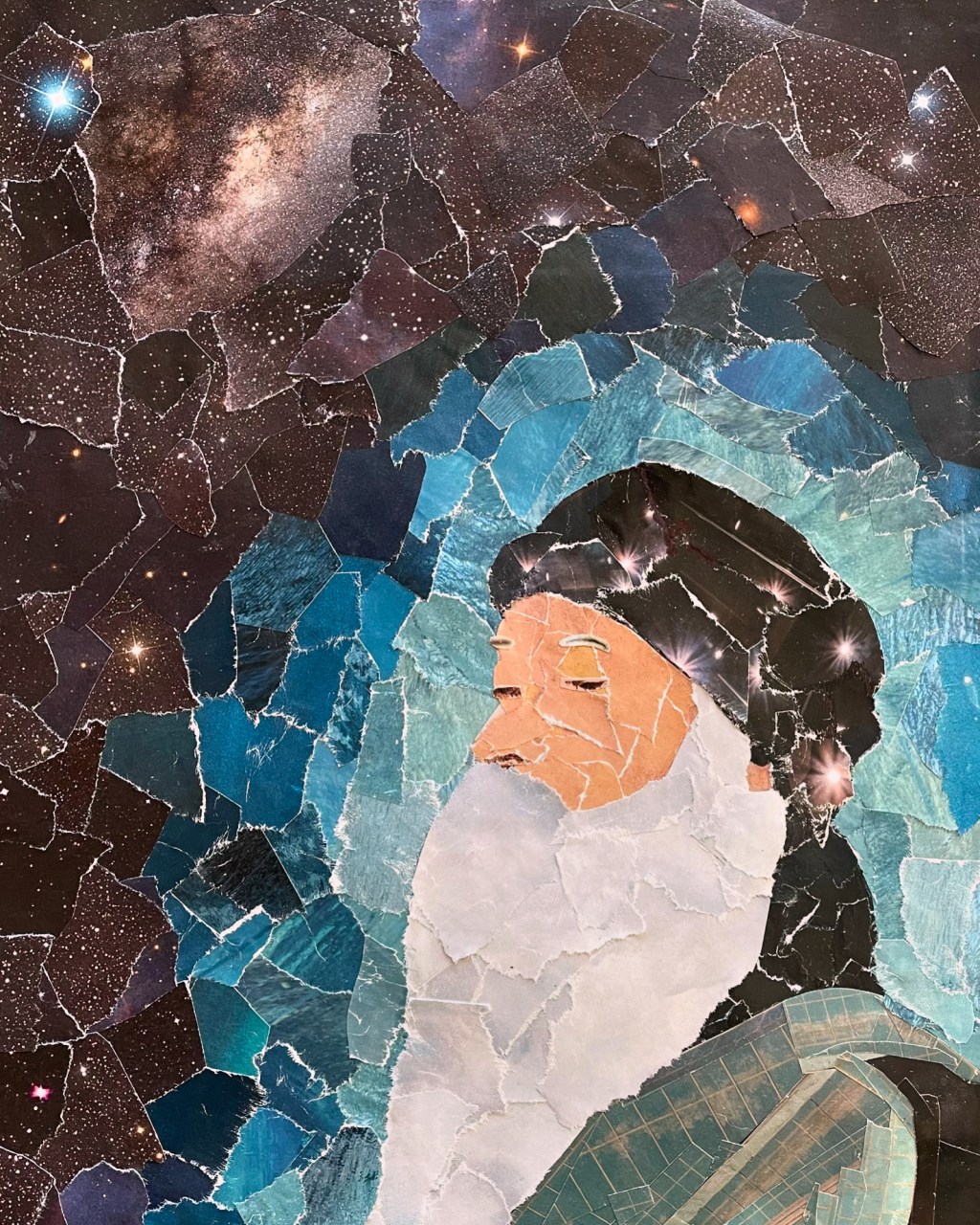
Welcome to the second part of my new blog series!
The plan for this writing has been evolving and I’ve decided to break my ideas down into multiple smaller posts. This way, the information will be more digestible and we can go into details I otherwise would have had to leave out.
These are the first blogs I’ve released in just over a year and it feels amazing to be writing again. There is a lot to share as my life is unrecognizable from when I posted here last in 2023.
In this segment, I will dig deeper into questions like: what is meditation? And, who is Osho?
In my next one, I will share a more personal account of how they have been transforming my life.
Now, without further ado, let’s get into it.
What is Meditation?
Across the Landscape
Meditation, zen, yoga, mantra, chakras, visualization, Law of Attraction, self-reflection, contemplation, mindfulness… why does so much misunderstanding pervade a topic so beautiful yet simple?
In this time of “new-age spirituality”, what people think is meditation is now a commonplace phenomenon and ideology. For anyone from millionaires, and celebrities, to the everyday 9-5’ers, and even high-school kids. The “spiritual awakening” is exponentially gaining popularity in the West. Just spend a few minutes in the right algorithm on Instagram and you will know exactly what I’m talking about.
Scientists are weighing in on how meditation can improve your productivity, lengthen your lifespan, and reduce stress and other symptoms of mental illness. “Self-improvement” culture is a booming business. You can find healers, tarot readers, chakra balancing sessions, kundalini yoga, and breathwork classes in every city in North America.
Understandably, we are looking to improve our quality of life. And to become physically, mentally, and spiritually healthier in a society that isn’t exactly interested in our health as much as how to profit from us. But are we as individuals looking in the right direction to achieve true healing and wholeness?

In more ancient civilizations, such as India, Meditation, or dhyana, has been a quest spanning thousands of years and a multiplicity of traditions. It has been an intense search, a deep inquiry into the nature of life and reality. The sole dedication of millions to discover the art of living in this transitory world. To ponder why there is so much suffering within and without. And, to seek to understand questions such as, “Who Am I?“
It is a well-known practice in these regions to seek out a “master”, an enlightened being, someone who can offer insight on the path of spiritual development. Someone who has achieved the highest human potential. Who has a deep experiential understanding of this life and existence as a human being.
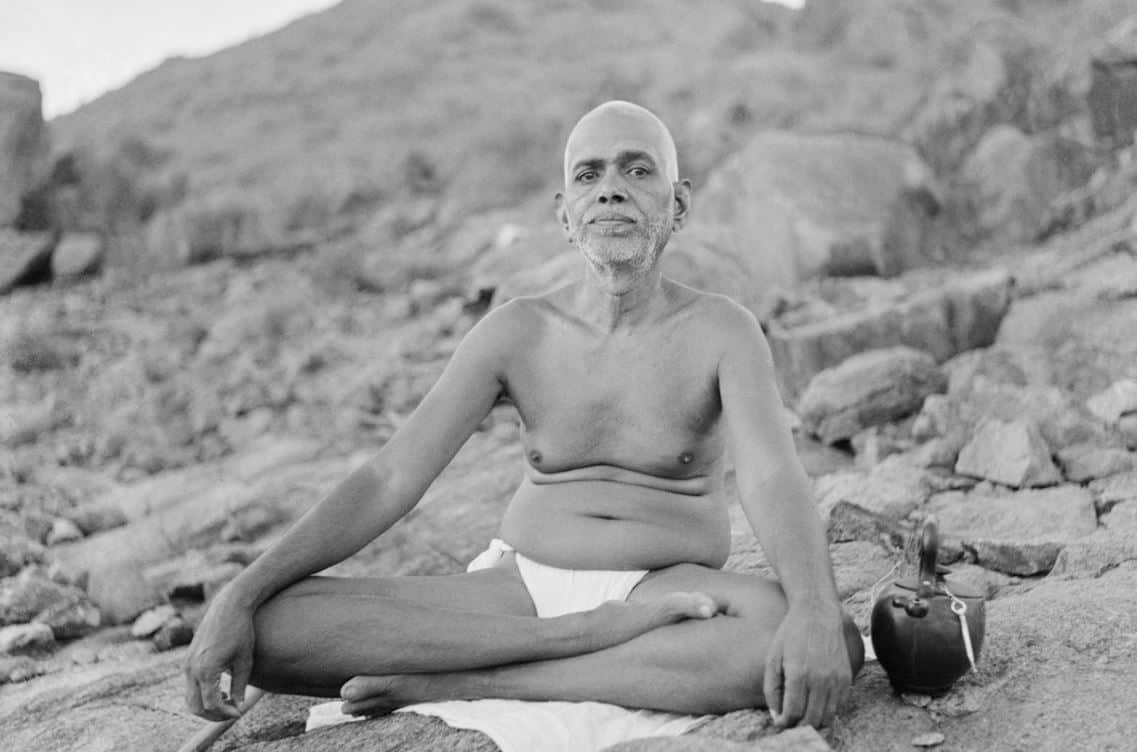
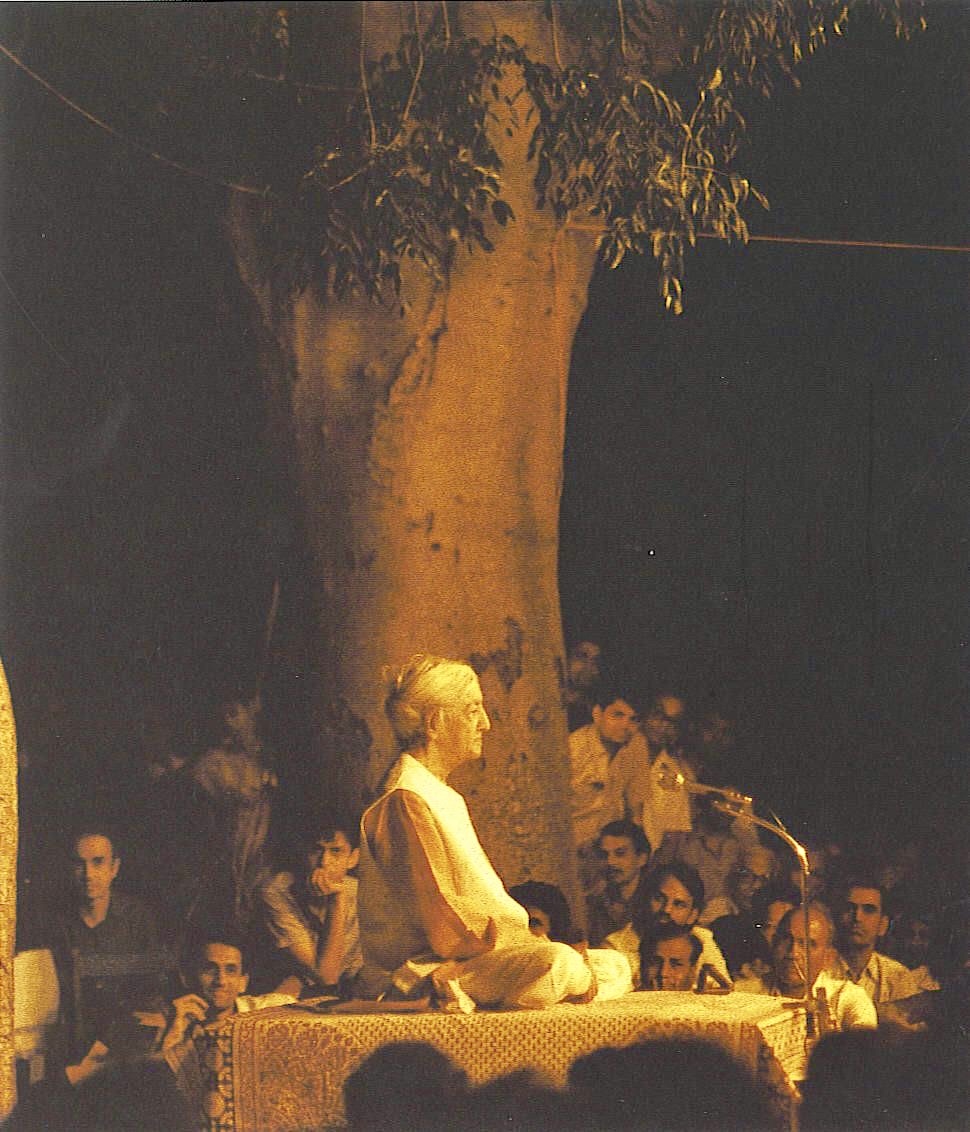
Although it is far from only bliss and incense in countries like India. More often than not, these cultures are so mindlessly entrenched in the age-old traditions that they have completely lost their original meaning and potency.
Worship, devotion, prayerfulness, and meditation are the very legs that India stands on, (aside from politics of course). But just like when you sit in meditation for a long period, your legs go numb! Sadly India has, in many ways, been disconnected from its spiritual roots. And a transformation is certainly needed on all sides of the globe.
This, my friends, is where Osho comes into the picture (and makes it a lot cooler).
Who Is Osho?
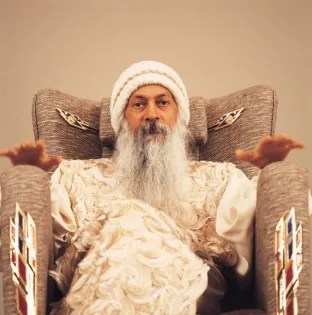
After realizing spiritual enlightenment at 21 years of age in 1953, he traveled across India and eventually numerous countries around the world, including America. He gave talks and answered questions from audience members from all walks of life.
“Osho defies categorization. His thousands of talks cover everything from the individual quest for meaning to the most urgent social and political issues facing society today.
“Osho’s books are not written but transcribed from audio and video recordings of his extemporaneous talks to international audiences. As he puts it, “So remember: whatever I am saying is not just for you… I am talking also for the future generations.
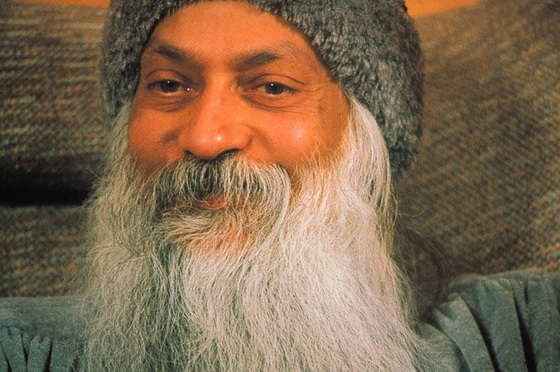
“Osho has been described by the Sunday Times in London as one of the “1000 Makers of the 20th Century” and by American author Tom Robbins as “the most dangerous man since Jesus Christ.” Sunday Mid-Day (India) has selected Osho as one of ten people – along with Gandhi, Nehru and Buddha – who have changed the destiny of India.
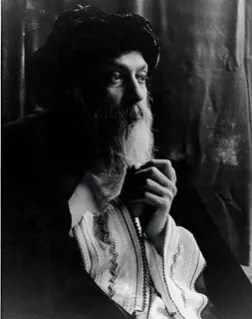
“About his own work, Osho has said that he is helping to create the conditions for the birth of a new kind of human being. He often characterizes this new human being as “Zorba the Buddha” – capable both of enjoying the earthy pleasures of a Zorba the Greek and the silent serenity of a Gautama the Buddha.
“Running like a thread through all aspects of Osho’s talks and meditations is a vision that encompasses both the timeless wisdom of all ages past and the highest potential of today’s (and tomorrow’s) science and technology.” https://www.osho.com/read/osho/about-osho
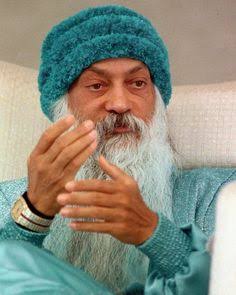
Osho offered one of the greatest efforts in history to unite the Eastern and Western civilizations. He often describes their energies as two parts of one whole: the youth, energy, materialism, and the technological advancement of the West, as well as the wisdom, the depth, and the spiritual roots of the East.
He cuts to the core of our beings and helps us realize that we are all united by something far greater than the pettiness we think is dividing us; like national and religious fanaticism or political and ideological tribalism. We are all part of the same divine awareness; we are one great pool of consciousness waiting to be liberated and awakened.
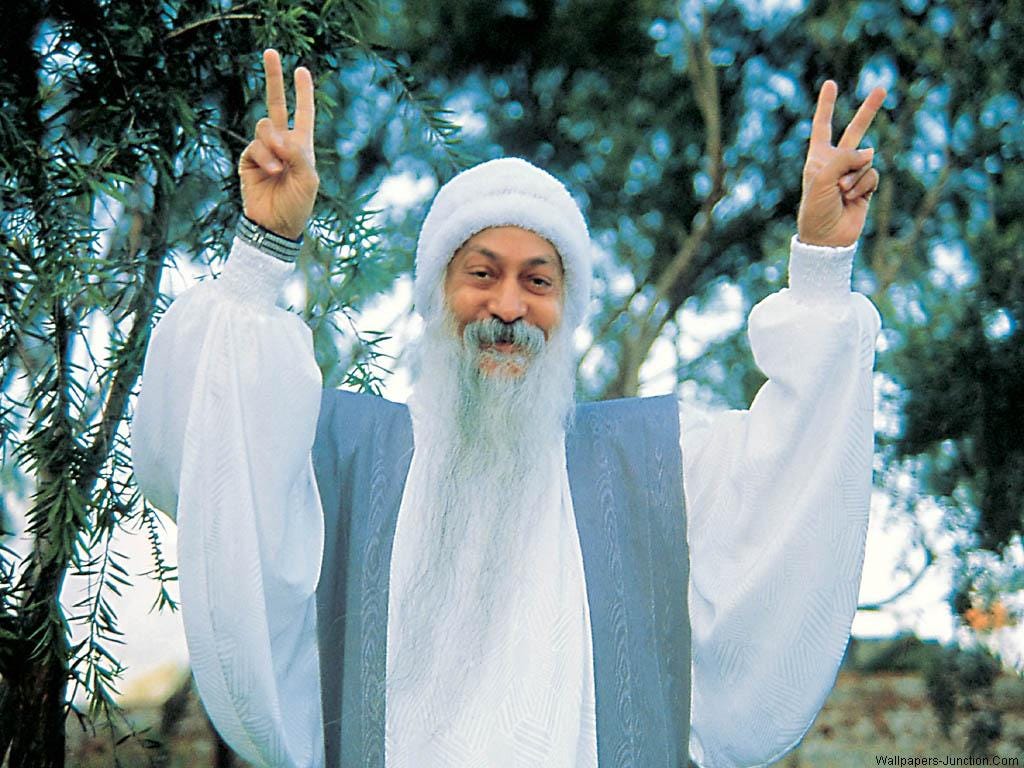
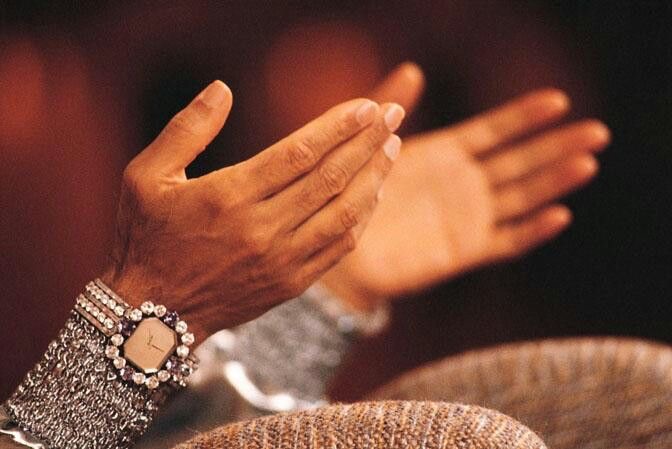
He surpasses many, if not all the stereotypes and misconceptions about what a “holy man” looks and talks like. (Maybe aside from the long white beard.) He swears, makes dirty jokes, wears diamond-encrusted watches, and drives expensive cars… yet he is blissful, serene, silent, and remarkably aware and still. He uses all these devices knowingly: to tear down our beloved illusions that to be spiritual one must be poor, serious, refrain from all things related to sex, and cannot enjoy the beauty and comforts that this life on Earth has to offer.
He is deliberate in his way and it is all an effort to challenge our conditioned minds. To help us discard the outdated shackles of tradition and awaken to the greater truth of ourselves and existence.
He has said:
“My whole effort is to deprogram you so deeply that everything that has been put in you from your childhood is taken out and you are left again back in your childhood innocence. From that innocence begins your real journey of growth.”
-Osho, Ma Tzu: The Empty Mirror, Talk #7
“My whole effort is to give you freedom from all chains, from all prisons, so that you can celebrate life.”
-Osho, I Celebrate Myself: God is No Where, Life is Now Here, Talk #7
“My whole effort is to help you be yourself.”
-Osho, Come Follow To You, Vol 2, Talk #8
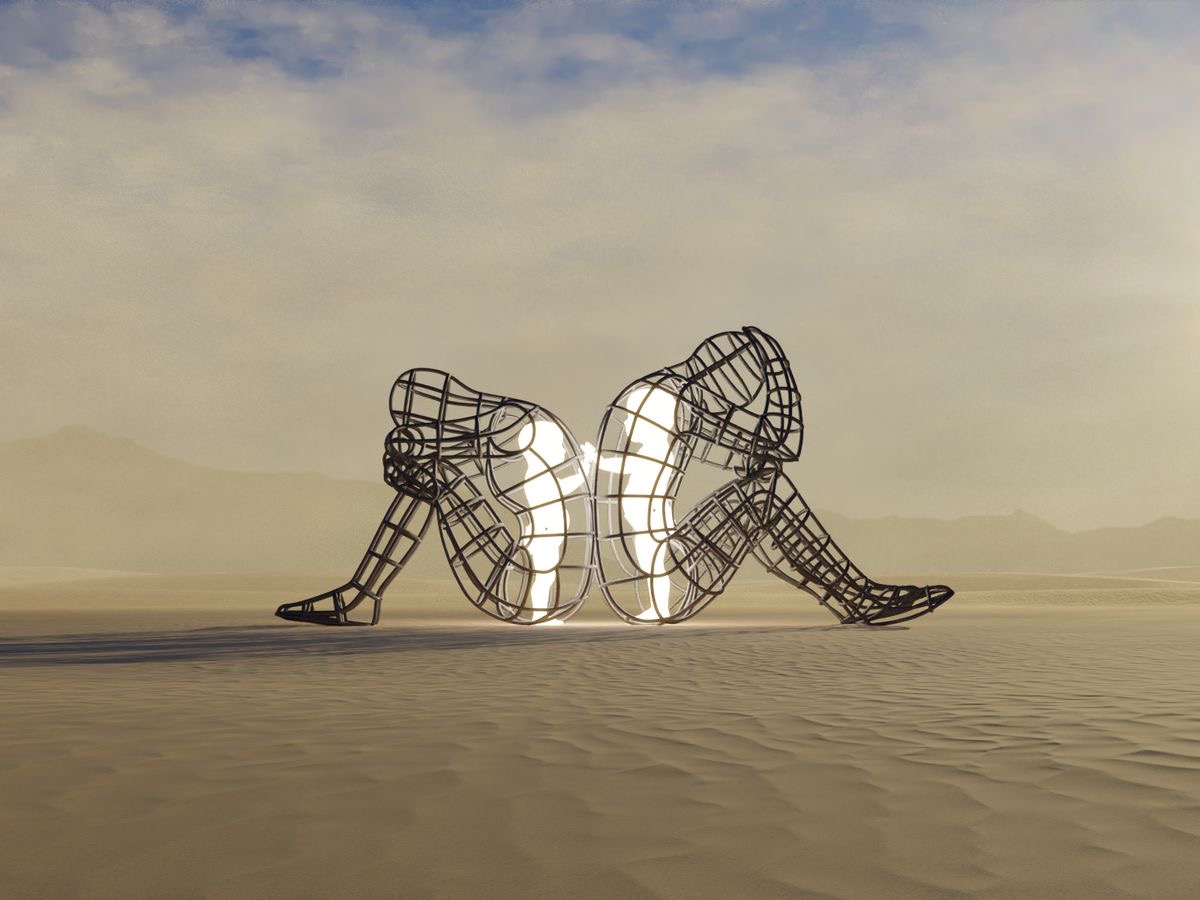
When asked “What is Meditation” Osho is quoted:
“Meditation is a state of no-mind. Meditation is a state of pure consciousness with no content.
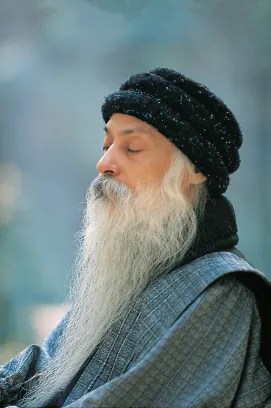
“Ordinarily, your consciousness is too full of rubbish, just like a mirror covered with the dust. The mind is a constant traffic: thoughts are moving, desires are moving, memories are moving, ambitions are moving. It is a constant traffic, day in, day out. Even when you are asleep the mind is functioning. It is dreaming, it is still thinking; it is still in worries and anxieties. it is preparing for the next day; an underground preparation is going on.
“This is the state of no meditation – meditation is just the opposite.
“Meditation is the awareness that “I am not the mind.” When the awareness goes deeper and deeper in you, slowly slowly, a few moments arrive – moments of silence, moments of pure space, moments of transparency, moments when nothing stirs in you and everything is still. In those still moments you will know who you are, and you will know what the mystery of this existence is.”
-Osho, Philosophia Perennis, Vol. 2, Talk #5
Why “Active Meditations”?
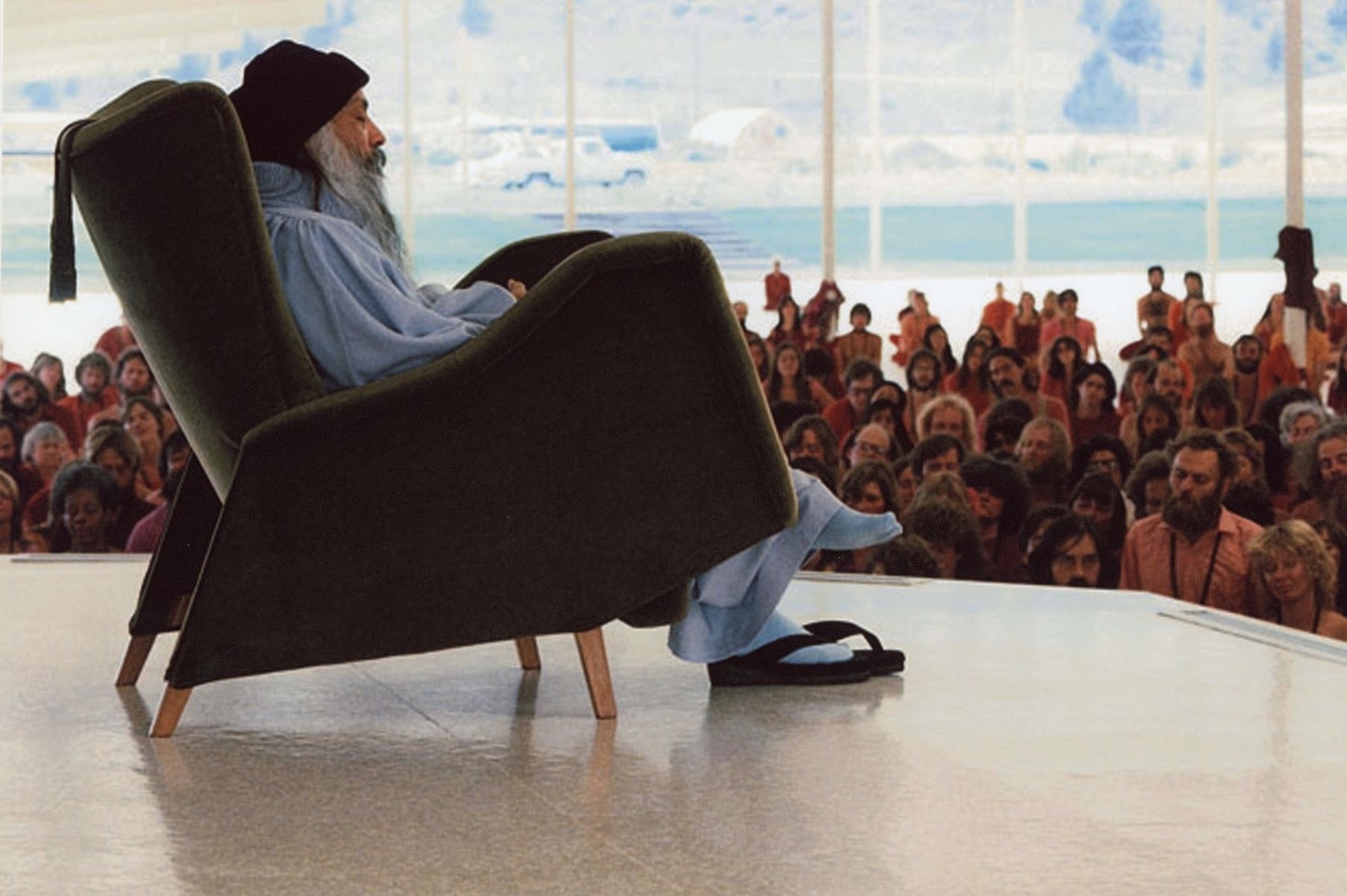
“Osho is known for his revolutionary contribution to the science of inner transformation, what he calls “the psychology of the Buddhas.” His approach to meditation addresses the accelerated pace of contemporary life.
“His unique OSHO Active Meditations are designed to first release the accumulated stress of body and mind that make meditation so difficult for modern busy people.
“He then uses his speaking as a way of letting go of our self limiting belief systems, at the same time, offering the opportunity to experience silence through the Art of Listening.
“Combined with the vast number of shorter techniques (he has created), Osho provides a way for every type of mind to be transcended, allowing us to enjoy the stillness and thought-free relaxation into our daily lives.” https://www.osho.com/read/osho/about-osho
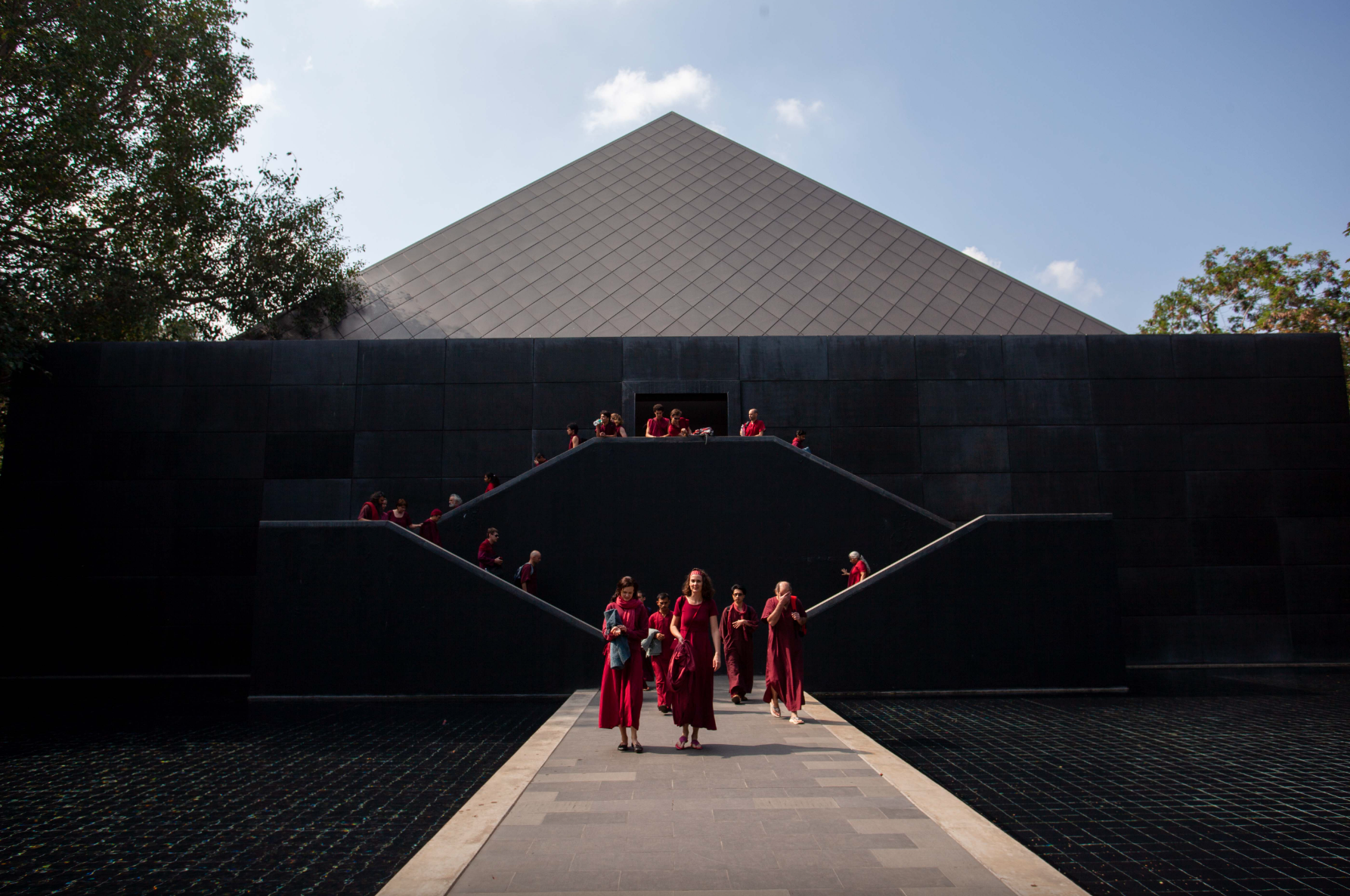
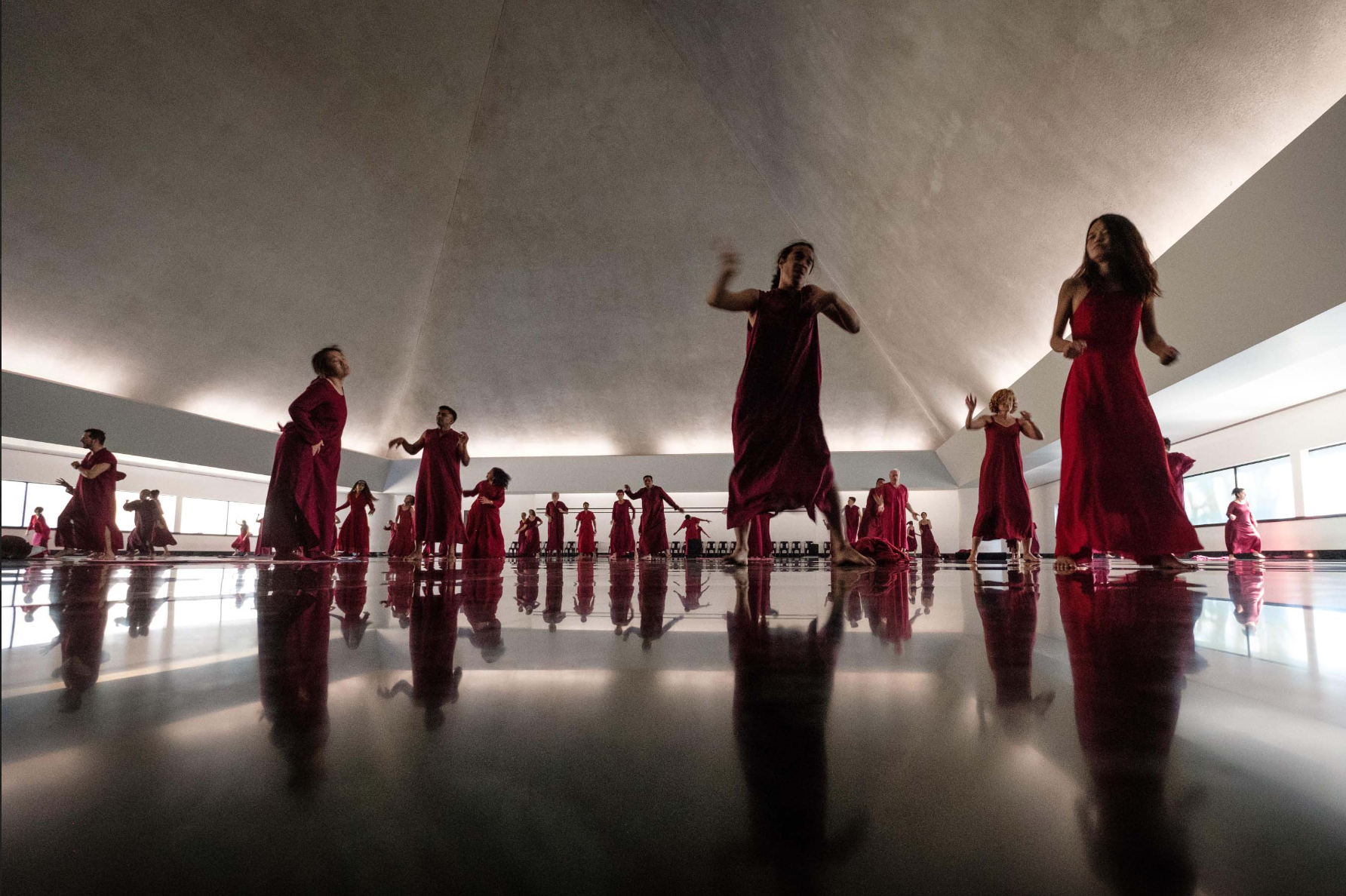
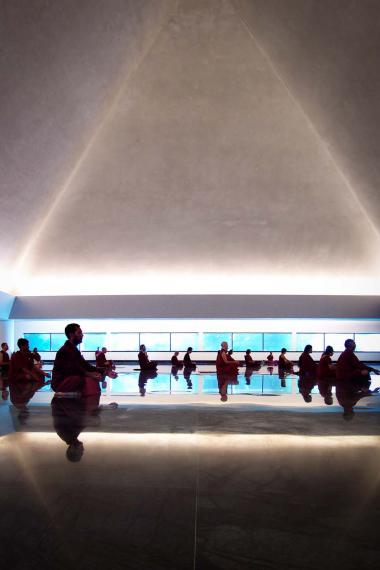
He has emphasized that to enter into mediation, in a world more chaotic and complex than ever (with minds to match), catharsis must come first. This is because silence and stillness are near impossible for the average person living in such a fast-paced society.
“That’s why Osho Active Meditations have been scientifically designed by Osho over a long period of experimentation. They enable us to consciously express, experience, and release repressed feelings and emotions and to bring the body back to a relaxed harmony – and then the journey inwards can begin.” https://www.osho.com/meditation/osho-active-meditations/introduction
It was different 2500 years ago in Buddha’s time when life was much simpler: chop the wood, start the fire, cook the food, and tend to the household. During those days, our minds could sit calmly with greater ease and attain enlightened states of consciousness.
But today, in a world of constant stimulation, social media, over-consumption, technology advancing beyond comprehension, and addiction and mental illness rates rising, it is not so easy.
OSHO Dynamic Meditation, which you can read about in my last post, is one of his most emphasized techniques. Scientific papers have been released on it specifically, outlining its proven stress-reducing (and health-inducing) power. But as was mentioned above, Dynamic is only one of many. There is undoubtedly a technique that every person can find useful and resonant.
Are You Watching?
“By meditation I mean silence, awareness, witnessing. You can meditate any time of the day, you can meditate while working, walking, doing things. Meditation is not something separate from life; it should not be separate, otherwise it remains a little artificial. Meditation should be spread all over life. You should walk in meditation, you should sit in meditation; that means silently, fully aware. Slowly, slowly it becomes your very flavour…”
-Osho, https://www.osho.com/meditation/osho-active-meditations/introduction
The ultimate aim of meditation is to become absolutely aware, relaxed, and total in each moment. To develop the ability to watch ourselves, our minds, and the world around us with complete presence yet a sense of detachment and neutrality. And for this awareness to be without breaks, without triggers where we go unconscious. The goal is to make the entirety of our lives a conscious act.
An important question we have to ask ourselves: is our chosen spiritual practice or healing modality actually helping us to become more aware and present in all the moments of our day? Especially outside of the practice?
It is easy to build spiritual “props” around ourselves (which I will talk more personally about in my next post) or use these practices and methods as if we are just checking something off our to-do list, like “going to church”.
Engaging in a spiritual practice for one hour a day and then forgetting all about it for the remaining 23 is the description of missing the point. We practice meditation to learn how to remain present and aware throughout all hours of our day.
***
Thank you so much for taking the time and stopping by.
In the next post I will discuss how the process of meditation actually changes your consciousness and your daily life. I will share more of my personal experience at the Osho International Meditation Resort and how my life is transforming through meditation.
As always, please leave any questions or comments, I’d greatly enjoy to hear from you.
See you again very soon!
-Olivia (Radha)
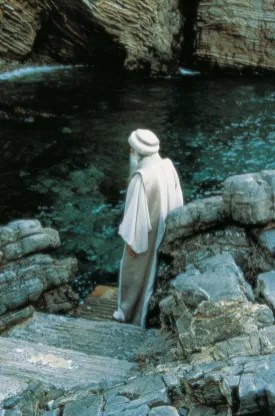
Some material used here (images and text excerpts) is Copyright©OSHO International Foundation, www.osho.com/copyrights
 Diamond Life
One response to “India – A New Beginning Pt. 2”
wow!! 6How My Life Changed at the Osho International Meditation Resort
LikeLike